

It is a common sight in popular culture: the high-powered lawyer rushing out of a courtroom while their assistant hands them a brief and confirms their next client meeting. This romanticized image is compelling, but the reality for most attorneys running solo or small firms is far less glamorous.
The fundamental truth is that you are not just a lawyer; you are an administrator, scheduler, and bookkeeper.
Studies show that lawyers spend an average of 40% of their workday on non-billable, administrative tasks. This means nearly half of your professional capacity—the capacity built on years of expensive education and legal expertise—is spent on tasks that do not generate revenue.
This is the primary obstacle preventing your firm from achieving true profitability and agility in a competitive market. The solution is delegation, but delegation within your legal team is governed by strict ethical and professional rules.
This guide will clarify the roles that support an attorney, detail the critical differences between a paralegal and a legal assistant, and introduce the modern, cost-effective solution that is revolutionizing how successful lawyers manage their time: the rise of the remote legal assistant.
Do lawyers have assistants?
Yes, lawyers have assistants. Most lawyers work with legal assistants, legal secretaries, or paralegals who help them handle daily tasks. These assistants often focus on administrative work such as managing paperwork, conducting research, scheduling meetings, preparing documents, and communicating with clients.
Think of it this way: lawyers focus on the core work that involves legal strategy, while assistants handle the behind-the-scenes tasks that keep cases moving forward.
Lawyer Assistants Roles Explained
Let’s explore what each of these assistants can do for a lawyer. The legal industry uses specific job titles that denote the level and type of support provided to an attorney. Understanding these distinctions is the first step toward ethical and efficient delegation.
The following list breaks down the core functions of the most common legal support roles:
The Difference Between Legal Support Roles
Confusion between these roles is common, but clarity is vital for assigning responsibilities ethically and efficiently.
Paralegal vs. Legal Assistant
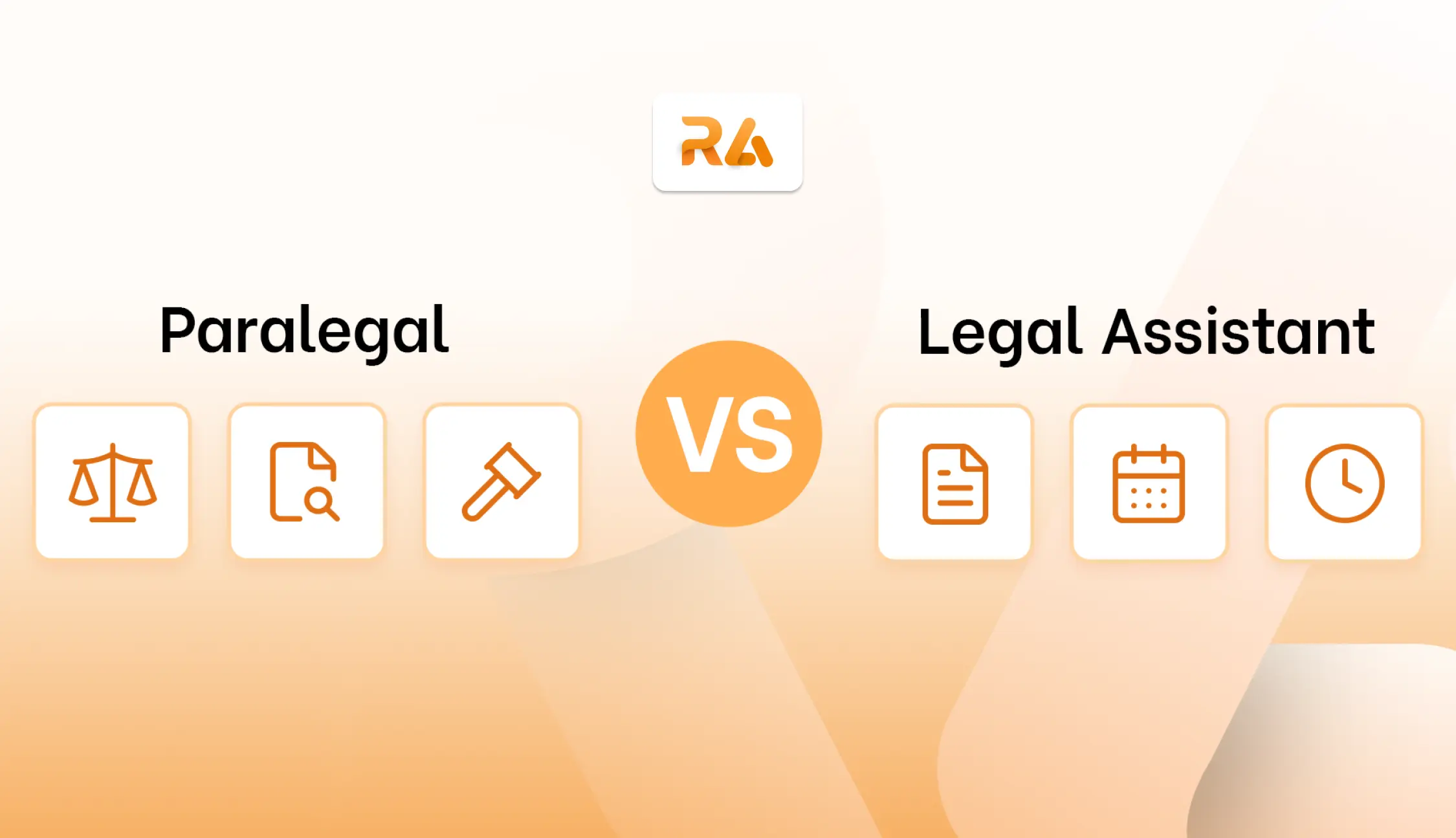
The main distinction lies in the substance of the work.
- Paralegal: Focuses on the substance of the case. They are paid to think through legal procedures and documents, and their work directly supports the attorney's legal strategy. Paralegals typically require a paralegal certificate or equivalent education.
- Legal Assistant: Focuses on the logistics of the case. They are paid to do the tasks that keep the office moving. Their work ensures the attorney is in the right place at the right time with the right documents. Legal assistants require strong organizational and clerical skills but less formal legal education.
In practice, a Paralegal might draft the discovery request, while a Legal Assistant ensures the request is served on time and filed correctly.
Paralegal vs. Legal Secretary
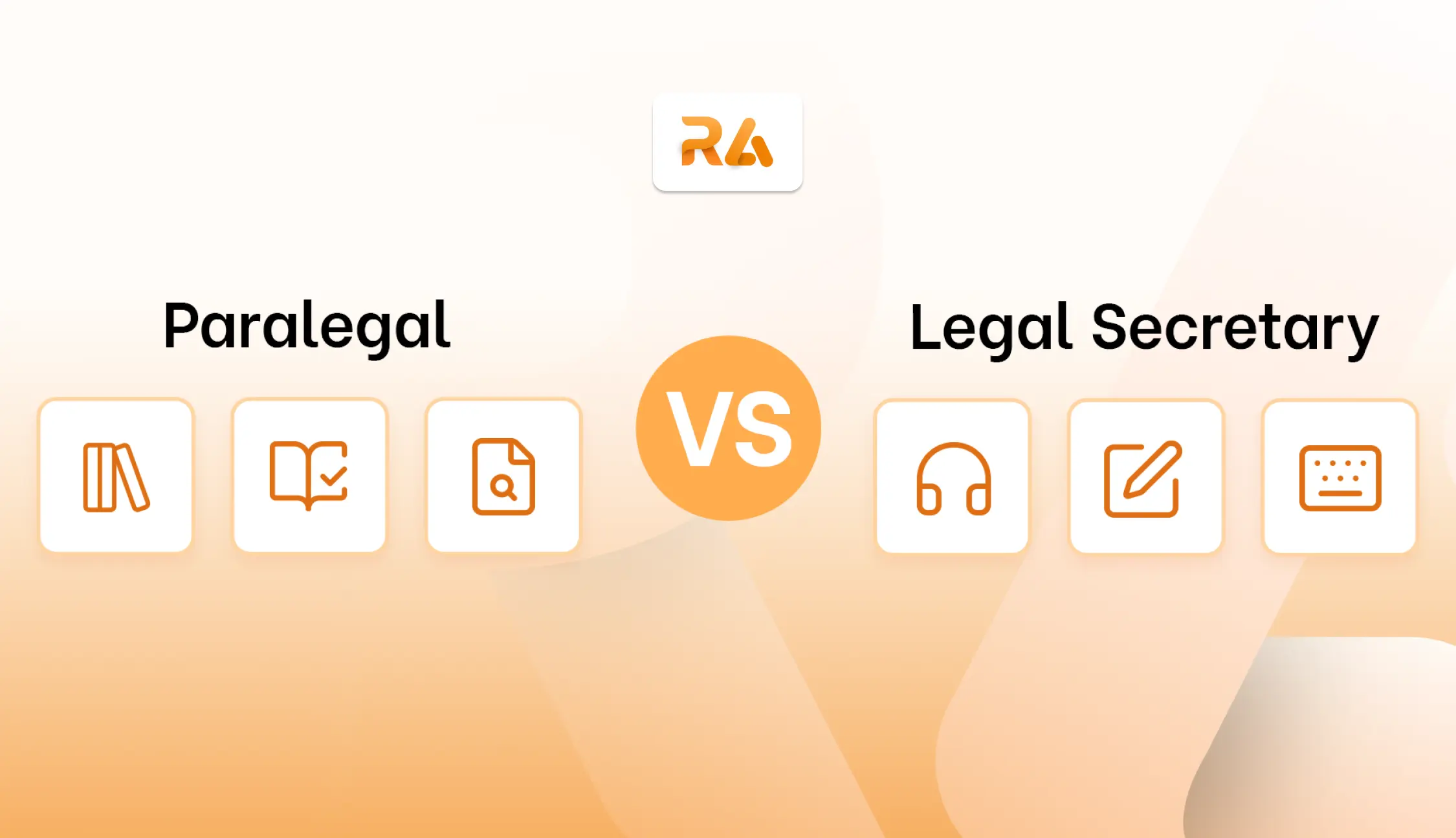
While both roles support the attorney, their contributions occur at different stages of the workflow.
- Paralegal: Focuses on substantive legal strategy. They summarize the key points of a deposition transcript.
- Legal Secretary: Focuses on production and presentation. They ensure the deposition transcript is perfectly formatted, proofread, and filed. The legal secretary ensures clerical perfection, while the paralegal provides legal insight.
Legal Assistant vs. Legal Secretary
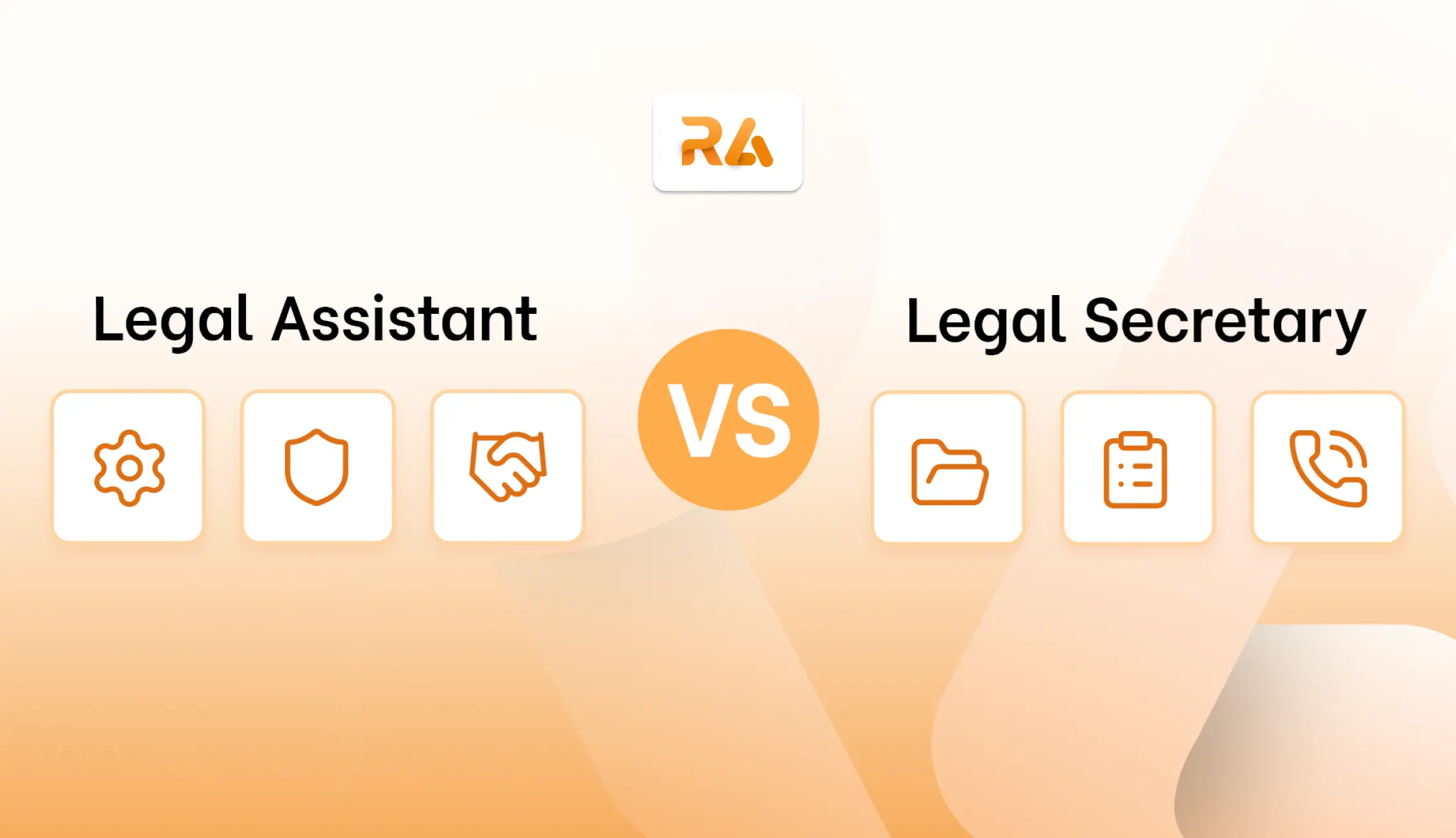
This distinction is the most blurred, especially in modern and virtual law firms.
- Legal Assistant: Primarily concerned with workflow and communication. They manage the digital file system and liaise with the client regarding scheduling and status.
- Legal Secretary: Primarily concerned with document mechanics. They focus on typing, transcribing, and ensuring all documents meet court-mandated formatting standards.
In many modern firms, the legal assistant is the catch-all role that manages all administrative tasks, making the traditional, dedicated legal secretary role less common.
Job Duties You Should Delegate
Successful lawyers are successful delegators. They recognize that their high hourly rate makes every non-billable task they perform an opportunity cost—a loss of revenue. Delegating administrative work to a virtual assistant (VLA) or paralegal is the fastest route to firm profitability and productivity.
Here are the key responsibilities that a virtual legal assistant or paralegal can handle, broken down by function:
1. Client and Case Intake (The Revenue Protector)
- Client Communication: Handling all initial client calls and emails with professionalism and speed (often 24/7 with virtual staff).
- Lead Qualification: Using firm-approved scripts to screen potential clients and ensure they meet the firm's criteria.
- Scheduling & Follow-up: Booking initial consultations, sending meeting links, and following up instantly on missed calls and web inquiries.
2. Time Management and Logistics (The Attorney's Lifeline)
- Calendar Management: Proactively managing the attorney’s complex schedule, scheduling court appearances, client meetings, and depositions.
- Deadline Tracking: Monitoring deadlines, statutory limitations, and filing cut-offs, and providing timely reminders to the attorney.
- Email Triage: Managing and prioritizing the attorney's inbox, drafting non-legal responses, and flagging urgent communications.
3. Financial and Billing Support
- Time Entry & Expense Tracking: Accurately logging time and organizing expenses within the firm's billing software (e.g., Clio Manage, PracticePanther).
- Invoicing: Generating and reviewing invoices, sending them to clients, and handling soft collections or payment reminders.
4. Document and Litigation Support
- File Management: Maintaining organized digital and cloud-based file systems (ensuring version control and compliance).
- Drafting Support: Preparing routine correspondence, cover letters, and initial drafts of documents using established templates (Paralegals handle more complex drafting).
- Research: Conducting basic legal research to verify citations or locate routine case law references.
When Do Lawyers Hire Assistants?
The decision to hire support staff is a critical inflection point for a law firm. It’s driven not by a feeling, but by measurable pressure points.
1. When Administrative Tasks Eats up Time
If an attorney is routinely spending more than 10 hours per week on scheduling, filing, email, and billing, they are ready. A lawyer who bills at $300/hour is essentially losing $3,000 in potential revenue every week by doing work that could be handled for a fraction of the cost. The return on investment (ROI) is immediate.
2. When Leads Are Being Lost
If the firm’s intake process is inconsistent—voicemails pile up during court hours, or web forms sit overnight—the firm is losing revenue. Hiring a dedicated intake specialist ensures every potential client receives instant, professional attention, directly increasing the client conversion rate.
3. When Scaling Requires Specialized Support
If the firm begins to take on larger, more complex cases—such as intellectual property or large corporate litigation—that require thousands of hours of document review or specialized research, the firm needs capacity.
It is more flexible and cost-effective to bring in a virtual paralegal on a project basis than to hire a full-time, in-house associate they may not need six months later.
4. When Financial Risk is Too High
Small firms often need support but cannot afford the estimated $40,000 to over $80,000 per year required for an experienced, in-house legal assistant, once salary, health insurance, taxes, benefits, and office space are factored in. The alternative must eliminate this fixed overhead.
The Rise of Legal Virtual Assistants (VLAs)
The demand for high-quality, cost-effective delegation has given rise to the legal virtual assistant and remote paralegal model.
VLAs are not just general administrative assistants; they are professionals with extensive experience in legal processes, software, and law firm ethics. This model addresses the core challenges of modern practice:
- Financial Agility: By utilizing virtual staff, firms convert their support costs from a high, fixed overhead (salary, benefits) into a flexible, variable expense (hourly billing for only the time worked).
- Access to Pre-Vetted Talent: Firms gain immediate access to a global pool of skilled and pre-vetted professionals, skipping the lengthy and expensive process of recruitment and training.
- Operational Efficiency: Our virtual legal assistants are set up to work remotely, eliminating the need for expensive office space, equipment, and traditional employee management, allowing the lawyer to focus on legal strategy.
In the 21st-century law firm, the question of whether a lawyer needs an assistant has been replaced by which kind of agile, virtual support they need to achieve maximum efficiency and profitability.
Ready to Reclaim Your Billable Hours?
You became a lawyer to practice law, not to manage an inbox and a calendar. Delegating effectively starts with the right partner.
Schedule a consultation with our team to identify your top time drains and build a customized support plan.


