
You've likely heard about trusts as essential estate planning tools that help manage and protect your assets and provide for your loved ones. But the thought of hiring an attorney, with fees often ranging from $300 to $3,000 or more, might make you wonder: Can you create a trust on your own?
The short answer is yes. It's possible to create a trust without an attorney. However, the appropriateness of making a do-it-yourself trust depends on the complexity of your estate and specific situation.
A person with no legal background can create a trust using legal drafting software or standardized forms. If you plan on taking the do-it-yourself approach to estate planning, expect to spend some time researching to ensure you are on the right track.
There are many cases where professional counsel is almost always required. If your net worth is close to the estate tax exemption, your heirs could benefit significantly from estate tax planning. Otherwise, if you have a special needs child, want your estate to be distributed in some way other than a single, outright distribution, or would like help funding the trust, then working with a professional is certainly advisable.
This guide explains the process of creating a living trust without an attorney, highlighting both the benefits and risks involved. You can make a simple trust by yourself. But trust laws are complex and vary by state. Working with an estate planning attorney can give you the peace of mind that you have an expertly drafted estate plan and a helpful resource for all your questions.
Key Takeaways
- You can create a trust without an attorney using DIY methods, but success depends on your estate's complexity and your willingness to research state-specific requirements.
- Professional guidance is strongly recommended for complex estates involving multiple assets in different states, special needs beneficiaries, tax considerations, or complicated family situations.
- The biggest pitfalls in DIY trusts are improper document execution and not funding the trust correctly.
What is a Trust?
Before discussing the DIY approach, let's ensure you understand what a trust actually is. A trust is a legally binding arrangement that allows you to formally transfer ownership of your assets to a trustee, who manages them for the benefit of your chosen beneficiaries. Trusts can be established to provide legal protection for your assets to ensure they are distributed according to your wishes. Moreover, a trust can help an estate avoid probate, avoid taxes, and provide for loved ones.
Key Components of a Trust:
- Grantor (or Settlor) - The person who creates the trust and transfers assets into it.
- Trustee - The person or entity responsible for managing the trust assets. The grantor can act as the trustee during their lifetime.
- Beneficiaries - The individuals or organizations who will benefit from the trust.
- Trust Property - The assets held in the trust, such as real estate, bank accounts, or investments.
- Trust Document - The legal document that outlines the terms of the trust, including the trustee’s powers, distribution instructions, and any special conditions.
For some, a will and trust may be intertwined, but these two are completely different. A living trust works both during your lifetime and after you pass away, unlike a will, which only takes effect after your death.
Type of Trusts
It’s important for you to understand the different types of trusts to ensure you choose the one that best meets your needs. Among the most common types of trusts are:
- Revocable Living Trust - This allows you to maintain control of your assets during your lifetime and change or cancel the trust at any time. After you pass away, assets transfer to your beneficiaries without going through probate.
- Irrevocable Trust - Once established, this trust cannot be changed or revoked by the grantor. It offers tax advantages and asset protection that is used for long-term planning.
- Testamentary Trust - It is created through a will and only takes effect after the grantor’s death.
- Special Needs Trust - Designed to provide for beneficiaries with disabilities while preserving their eligibility for government benefits.
- Charitable Trust - Established to benefit a particular charity or the public in general, often providing tax benefits to the grantor.
Why People Create Trust
Understanding the motivations behind establishing a living trust can help clarify whether this estate planning tool aligns with your needs. Here are the primary reasons people create living trusts:
- Avoids probate – Saves your heirs time and money.
- Ensures privacy – Wills become public record but trusts remain private.
- Manages assets if you become incapacitated Avoiding the need for court-appointed guardianship.
- Immediate Asset Transfer – Beneficiaries receive their inheritances much faster.
- Controls asset distribution You can stagger distributions or set rules.
- Protection for Minor Children – Manage assets for children until they reach the right age.
- Tax Benefits – Certain types of trusts can help minimize estate and gift taxes.
- Reduces family conflict – Clear instructions reduce the chances of disputes.
- Have Flexibility - You maintain control while alive and can change it.
- May offer tax planning benefits – Especially if you use an irrevocable trust structure.
Benefits & Risks of DIY Trusts
One of the first questions that often arises when creating a trust is whether to engage an estate planning attorney or create one on your own. Before making a decision, carefully weigh these benefits and risks:

Benefits
- Cost Savings - The most obvious advantage of creating a trust without an attorney is saving on upfront legal fees, which can amount to thousands of dollars.
- Learning Experience - Navigating the process yourself provides valuable knowledge about estate planning that might help you make more informed decisions in the future.
- Control - You maintain complete control over the process, potentially feeling more connected to the outcome.
- Convenience - You can work at your own pace, on your own schedule, without coordinating with a legal professional.
Risks
- Legal Errors - Without proper legal training, you might make mistakes in the document that could invalidate parts or all of your trust.
- State Specific Laws - Trust laws vary significantly by state, and failing to comply with your state's specific requirements could render your trust ineffective.
- Tax Implications - Trusts can have complex tax consequences that estate planning attorneys are trained to solve but that you might overlook.
- Improper Funding - Many DIY trusts fail because assets weren't properly transferred into the trust.
- Asset Protection Gaps - Improper trust formation might fail to protect your assets as intended.
- Unforeseen Complications - Your situation might have unique issues that standard DIY templates don't address.
Depending on the complexity of your estate and your tolerance for risk, keep in mind that mistakes can have serious consequences. Hiring an attorney is highly recommended, especially if you have a large estate, blended families, business interests, or significant assets, as it is often more beneficial and cost-effective.
Legal Requirements and Formalities of Trust
Whether you create your trust independently or with an attorney's help, certain legal requirements must be met it to be valid:
- Trust Document Creation - You must draft a trust document that clearly outlines your intentions. This document should define the trust's purpose, name the parties involved, and provide explicit instructions for asset management and distribution. Without a formal written document, courts may not recognize your trust as valid.
- Funding the Trust - Ownership of assets must be legally transferred into the trust. Different asset types require specific procedures to ensure proper transfer.
- Trustee Appointment - Your trust must explicitly name a primary trustee and at least one successor trustee to take over if the primary trustee is unwilling or unable to serve. The document should outline trustee powers, responsibilities, and any applicable compensation.
- Execution Requirements - Each state has specific legal requirements for properly executing a trust. While most revocable living trusts require only the grantor's signature, some states mandate witness signatures, notarization, or both.
Common Pitfalls to Avoid
When creating your own trust, be especially vigilant about these potential mistakes, as they can lead to serious legal and financial consequences:
- Improper Execution -Failing to follow state-specific signing and witnessing requirements can invalidate your trust.
- Incomplete Funding - Assets that are not properly transferred into the trust will still go through probate.
- Unclear Instructions - National Center for State Courts (NCSC) indicates that disputes over unclear or conflicting estate documents are among the top causes of probate litigation.
- Overlooking Tax Implications - Different trust structures have varying tax consequences; be sure to understand the impact of your choices.
- Contradictory Documents - Ensure your will, beneficiary designations, and trust terms are consistent to avoid conflicts.
- Using a One-Size-Fits-All Template - Standard templates may not comply with your state's specific laws or meet your unique needs.
Complete Steps to Create a Trust on Your Own
While we recommend seeking legal assistance, it is still possible to create a trust without an attorney. However, this approach should be undertaken with extreme caution and is best suited for individuals with straightforward estate planning needs.
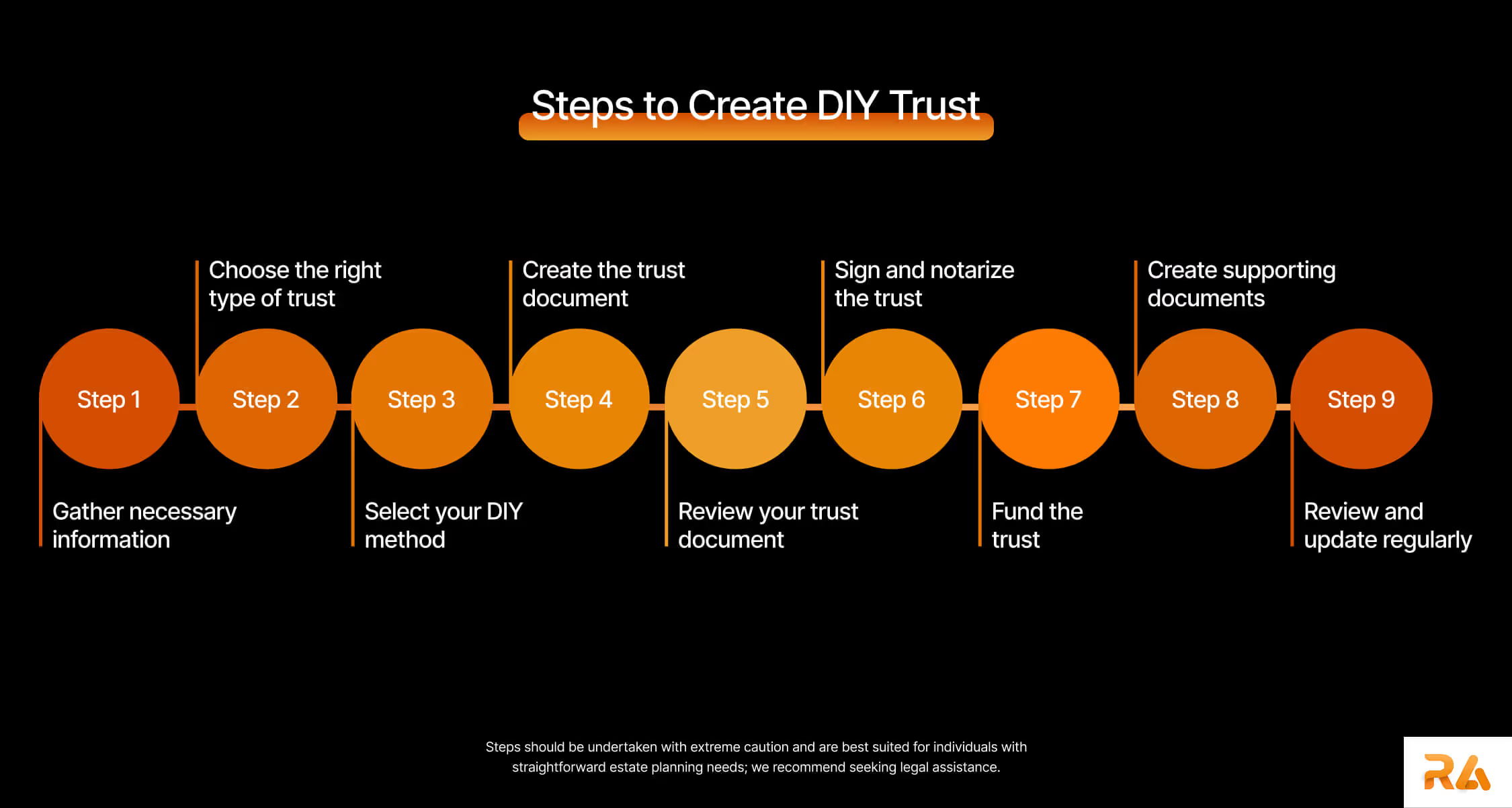
If you’re confident in your ability to handle the process, here’s a step-by-step guide to creating a trust on your own:
Step 1: Gather necessary information
Before starting the trust creation, it is essential to understand all the legal requirements from your country or state and conduct an in-depth research for every element that you will need to put such as:
- Complete list of your assets and their approximate values
- Full legal names and contact information for grantor, trustee, and beneficiaries
- Specific distribution instructions for each beneficiary
- Guardian designations for minor children (if applicable)
- Signature and Notarization Requirements
- Required language for trust documents
- Execution requirements (witnesses, notarization)
- State-specific tax implications
Your state's bar association website, local legal library, or self-help books can be excellent resources for your creation.
Step 2: Choose the right type of trust
Based on your circumstances and goals, determine which type of trust suits your needs. For most people, a revocable living trust is the best option because of its flexibility. If you have special needs or charitable goals, you could consider other types.
Step 3: Select your DIY method
There are several trustworthy options for creating DIY trust documents. These resources provide pre-formatted trust documents, step-by-step instructions, and explanations of legal terms. It includes:
- Online Legal Platforms - Services like LegalZoom, Nolo, Rocket Lawyer, or U.S. Legal Forms offer trust creation tools with varying levels of guidance and customization.
- Trust Software - Programs specifically designed for estate planning can walk you through the process step by step.
- Books and Templates - Estate planning legal guides often include sample language and templates you can adapt.
Each option varies in cost, comprehensiveness, and personalization capabilities. Research reviews and compare features before choosing.
Step 4: Create the trust document
Using your chosen DIY method, create your trust document. Fill in the blanks with accurate and complete information, ensuring that the trust document reflects your specific circumstances and intentions. It should include all the necessary details mentioned in Step 1.
Take your time with this step. Read all instructions carefully, and if any questions or uncertainties arise, seek clarification from the resource provider.
Step 5: Review your trust document
Conduct a meticulous review of all the information in the document and everything you’ve filled out. Check for spelling errors, clarity in formatting and content distribution, adherence to specific rules, and the inclusion of all essential elements.
Step 6: Sign and notarize the trust
After completing the document, your trust must be properly signed and notarized in accordance with your state’s requirements. In some states, witness signatures may also be required.
Improper execution is one of the most common reasons DIY trusts fail, so it’s essential to be meticulous in following your state’s specific legal guidelines.
Step 7: Fund the trust
Creating the trust document is only half the process. To activate the trust, you must transfer assets into it, a step known as “funding” the trust. This typically involves:
- Real estate - Prepare and record new deeds.
- Financial accounts - Retitle account ownership at your financial institutions.
- Vehicles - Transfer titles through your state's DMV
- Personal property - Create an assignment of property documents.
This is the most critical and often overlooked step. Failure to properly fund your trust is perhaps the most common mistake in DIY trust creation. Any assets not properly transferred into the trust may still be subject to probate.
Step 8: Create supporting documents
A comprehensive estate plan typically includes more than just a trust. While many DIY trust packages include additional documents, it's important to verify that they comply with your state’s requirements. Consider creating a pour-over will, a durable power of attorney, and healthcare directives as part of your overall estate plan.
Step 9: Review and update regularly
For the final step, store your original signed documents in a secure location and inform your trustee where to find it. But as life changes, laws change, and your trust should reflect current circumstances.
Review your trust after major life events or every 3-5 years. Remember that while these steps seem straightforward, consider seeking legal counsel for periodic reviews.
Where Do You File a Trust?
Unlike a will, a trust does not need to be filed with any government agency or court when they're created. This is an important distinction and one of the privacy advantages trusts offer. Once the trust document is signed and notarized, it’s legally valid and you simply:
- Keep the original signed and notarized document in a secure location
- Provide copies to your successor trustees
- Consider giving copies to other key individuals like your financial advisor or estate planning attorney (if you consult with one)
However, you must ensure that assets are properly transferred into the trust. For example, real estate must be retitled in the name of the trust, and bank accounts must be updated to reflect the trust as the owner. Some states allow you to file a "certification of trust" or "memorandum of trust" instead of the complete document when transferring real estate.
After your death, your trust still doesn't get filed anywhere and that is one of the probate avoidance benefits in action. Your successor trustee simply follows your instructions to distribute assets, all without court involvement or public filings.
Can I Put My House in a Trust Without a Lawyer?
Yes, you can place your house in a trust without hiring an attorney. This process, known as "funding" your trust, involves changing the legal title of your property to the name of your trust.
If you are drafting your trust, you must also oversee the funding process. Funding the trust can sometimes take more time and effort than preparing the trust itself. The county where the real estate is situated maintains public records that determine ownership.
A “deed” is the legal document that represents the ownership of real estate. A real property owner can always transfer a deed to another person without going through a lawyer or real estate professional. The basic steps include:
- Create the Trust Document - Draft a trust document that outlines the terms of the trust, there are several online platforms that offer legal document drafting, including trusts and even provide blank deed forms to be filled by the parties.
- Sign the Trust Document - Follow your state’s requirements for signing and notarizing the document.
- Transfer the Property - Create and sign a new deed that transfers ownership of the house from your name to the trust. This is often called a “quitclaim deed” or “warranty deed.”
- Record the Deed - File the new deed with your county recorder’s office to make the transfer official.
Things to Consider
While these steps may seem straightforward, they require careful attention to detail. Improper deed preparation, incorrect property descriptions, failure to follow state-specific requirements, incomplete forms, or missing signatures can create title issues that may be costly to resolve later.
If you're comfortable researching your state's specific requirements and following them carefully, transferring your home to a trust without an estate planning attorney is certainly possible. Many county recorder offices provide basic legal guidance, and some online trust creation services include deed preparation as part of their package.
However, your home is likely one of your most valuable assets, so any mistakes in this process could have significant consequences. It is generally advisable to consult with an attorney or a legal professional before proceeding with a real estate transaction, even if it’s just to transfer a home to a trust.
When Should You Consider Professional Guidance?
An estate planning attorney is a legal professional who specializes in trust creation and handling estate matters. They can help you draft, review, and administer trusts to ensure they comply with state laws and meet your specific needs. You should strongly consider hiring an attorney if:
- You own multiple business interests or assets in multiple states.
- You have minor children or beneficiaries with special needs.
- You're concerned about your large sums of money or complex tax considerations
- Your family situation involves complications like previous marriages, stepchildren, or estranged relatives.
- You want to minimize the risk of legal challenges.
- You need specialized provisions in your trust beyond what standard templates offer.
As your estate becomes more complex, professional help becomes even more important. If mistakes could seriously affect your loved ones or intended legacy, hiring a lawyer is a smart investment.
Factor to Consider on Hiring an Attorney

Not sure whether you should go the DIY route or hire a professional? Asking the right questions can help you decide. Below, we’ve outlined key factors to consider so you can make a well-informed decision based on your unique situation.
Estate Complexity
- How many different types of assets do you own?
- Do you have business interests or investments that require specialized handling?
- Are there unusual circumstances surrounding your beneficiaries?
Your Comfort
- How thoroughly do you understand trust law and requirements?
- Are you confident in your ability to research state-specific regulations?
- Do you have the patience to handle detailed legal paperwork correctly?
Risk Assessment
- What would the consequences be if your trust had technical flaws?
- How important is it that your exact wishes be followed precisely?
- What's at stake if your trust fails to function as intended?
Time & Budget
- Do you have time to thoroughly research trust requirements?
- How does the potential cost of attorney fees compare to the value of your estate?
- What's the potential cost to your beneficiaries if your DIY trust fails?
Final Thought
While creating a trust without an attorney is legally possible, ensuring the future of your estate and certainty about your trustee’s well-being are priceless.
The real question isn't just whether you can do something yourself, but whether you should. Trusts are complex legal instruments with significant implications for your legacy and your loved ones' financial future. Errors or oversights in creation or funding can potentially undermine your entire estate plan.
Regardless of how you create your trust, proper execution and funding are essential. A beautifully written trust document is worthless if your assets aren't properly transferred into it or if the document doesn't meet your state's legal requirements.
Whatever approach you choose, take time to educate yourself about the basic principles of trust planning. Understanding these concepts will help you make informed decisions and better communicate your wishes, whether you're working independently or with professional guidance.
FAQs
Can I create a trust without an attorney?
Yes, you can create a trust without an attorney using DIY methods such as online legal services, software, or books with trust forms. However, the appropriateness of this approach depends on your specific situation.
Can I just consult with an attorney?
Yes, many attorneys offer consultation services where they can review your DIY trust before finalization. Some even provide initial consultations at reduced rates or for free. During the consultation, you can discuss your specific situation and receive guidance on whether a DIY approach is suitable or if full attorney services would be more appropriate.
What is the cost of DIY trust yourself compared to hiring an attorney?
The cost difference can be significant. A DIY trust created through online platforms or legal templates typically ranges from $50 to $300, depending on the service and whether you use a one-time template or guided software. In contrast, hiring an estate planning attorney can cost anywhere from $300 to $3,000 or more, especially if your estate is complex or you require additional legal documents.
While DIY options are more budget-friendly upfront, the real cost lies in the risk of mistakes. If your estate is large or your situation is complex, hiring an attorney could actually save your family members more money and stress in the long run.
Can a trust help save on estate taxes?
A basic revocable living trust by itself generally does not provide estate tax savings because the assets remain part of your taxable estate. However, more sophisticated trust strategies by attorneys with tax expertise can offer significant tax advantages.
Can you do a living trust online?
Yes, there are online tools and software that can help you create trust. However, they may not cover all legal complexities or state-specific requirements. If you use an online tool, it's wise to have an attorney review the completed documents before finalizing them, especially if your estate has any complexity beyond the basics.
Remote Attorneys
At Remote Attorneys, we understand the complexities of estate planning and the importance of getting every detail right. Our experienced estate planning attorneys ensure your trust complies with state laws, minimizes risks, and aligns with your financial and family needs. We provide virtual legal assistance to help you create a legally sound and customized trust without the hassle of in-person meetings.
We are dedicated to empowering law firms and solo practitioners by providing virtual support for trust drafting, legal research, and client consultations. With our virtual legal services, you can receive expert assistance from the comfort of your home, making the estate planning process seamless and stress-free. Contact us today to learn how we can support your practice.